

 Bahasa Indonesia
 العربية
 中文
 한국어
 日本語
Arabica Up, Robusta Down: Why the Coffee Market Split This Week
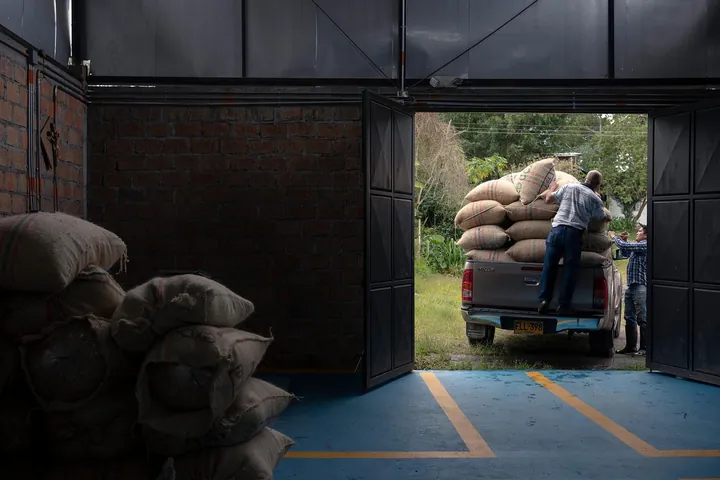
This week the coffee market moved in two directions at once. Arabica futures recovered from a multi-month low while robusta fell to a three-year low. For Indonesian green coffee buyers, the split matters: arabica green bean prices track the New York market, while robusta prices track London.
Why arabica found support
On Wednesday, November 25, 2026, arabica futures in New York closed up 7.40 US cents per pound (2.82%), recovering from a 5.25-month low, according to Barchart. The trigger was a forecast of heavy rain over the next ten days in Minas Gerais, Brazil's largest arabica-growing region. The rains could flood coffee farms and damage crops, prompting short covering by traders.
On the supply side, the USDA Foreign Agricultural Service cut its 2026/27 Colombia coffee export estimate to 11.5 million bags, down 6% from a May projection of 12.2 million bags. Colombia is the world's second-largest arabica producer. The Colombian Coffee Federation had already reported 2025/26 production down 15% to 12.65 million bags and exports down 12% to 11.78 million bags.
Why robusta keeps falling
Robusta tells the opposite story. The January 2027 London robusta contract sits around USD 2,800 per tonne after falling for 12 consecutive sessions through November 25 — a three-year low. Vietnam, the world's largest robusta producer, is entering a harvest expected to reach record output; domestic spot prices keep sliding while farmers face sharply rising harvesting costs.
The Vietnam Coffee and Cocoa Association projects the country's 2026/27 robusta production up 5% to 2.1 million tonnes. On the futures side, funds added 9,676 short lots of ICE robusta in the week ending November 17, bringing the net-short position to 24,069 contracts — the largest in almost four years.
Numbers to watch this week
- New York arabica: 268.55 US cents per pound (about USD 5.92 per kg) — Rasa Nativa Java's daily reference price, November 26, 2026.
- London robusta, January 2027: around USD 2,800 per tonne, a three-year low.
- ICE-certified arabica stocks: 272,868 bags as of November 24, the highest in 3.75 months.
- Brazilian coffee exports, October 2026: 287,000 tonnes, up 23% year-on-year (Brazil's Trade Ministry).
- Global crop: the ICO recorded record 2025/26 world production of 183.6 million bags against consumption of 180.6 million bags — a 3 million bag surplus, the first in five years.
What it means for buyers
- Arabica prices look well supported. As long as the Minas Gerais weather outlook is uncertain and Colombian exports stay tight, the downside for arabica looks limited. Rasa Nativa Java's arabica reference price today is USD 18.8 per kg (Java Preanger Grade 1), tracking the Indonesian green coffee market.
- Robusta is at its low point. Buyers who need robusta — for example Robusta Lampung at a reference price of USD 9.2 per kg — will find this a relatively good negotiating window before Vietnam's crop keeps weighing on the market.
- Do not count on further declines. The very large speculative short position leaves the market vulnerable to a short-covering rally once funds start closing their positions.
The reference prices above are daily market-based figures per kilogram, excluding shipping, export packing, and documentation; they can change every day. Final prices by volume, grade, and FOB/CIF terms are always confirmed in a formal quotation by email. See the full specifications in our guide to importing Indonesian coffee and tea.
Sources
- Heavy Rains in Brazil Boost Arabica Coffee Prices · Barchart
- Arabica Coffee Recovers as Heavy Brazil Rains Spark Short Covering · Barchart
- Reduced Coffee Exports from Colombia Boosts Arabica Prices · Barchart
- Coffee prices today, November 25th: Robusta falls for the 12th consecutive session, dropping close to the $2,800 mark · Báo Ninh Bình / Vietnam.vn
Baca artikel ini dalam Bahasa Indonesia
Looking for West Java coffee or tea?
We supply green coffee beans and tea from 1 kg to full export containers. Ask for a sample or a price quote.